Food as Medicine: A Holistic Approach to Nourishing the Mind, Body, and Spirit
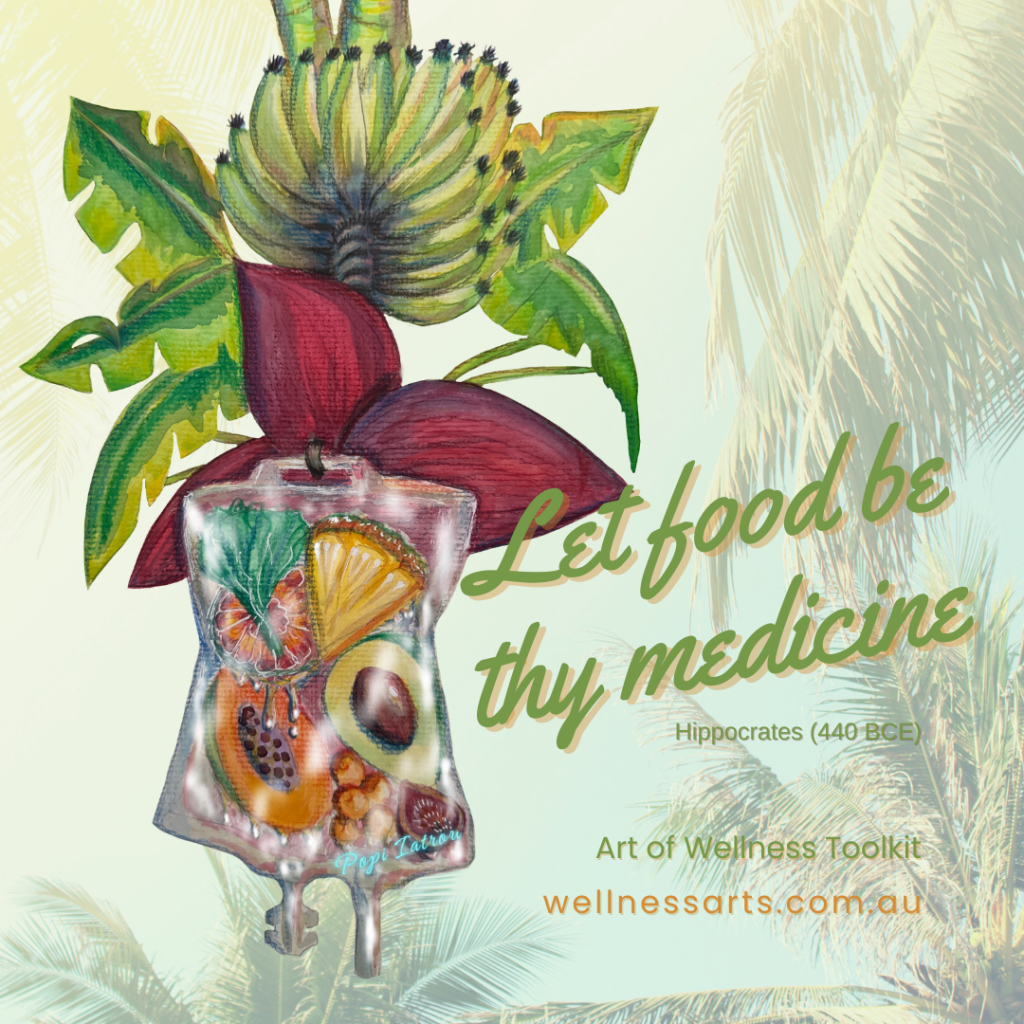
As a holistic psychologist, I have seen firsthand how the food we consume profoundly impacts not just our physical health […]


As a holistic psychologist, I have seen firsthand how the food we consume profoundly impacts not just our physical health […]

In our fast-paced, ever-changing world, it’s easy to lose touch with who we truly are. We often find ourselves shaped
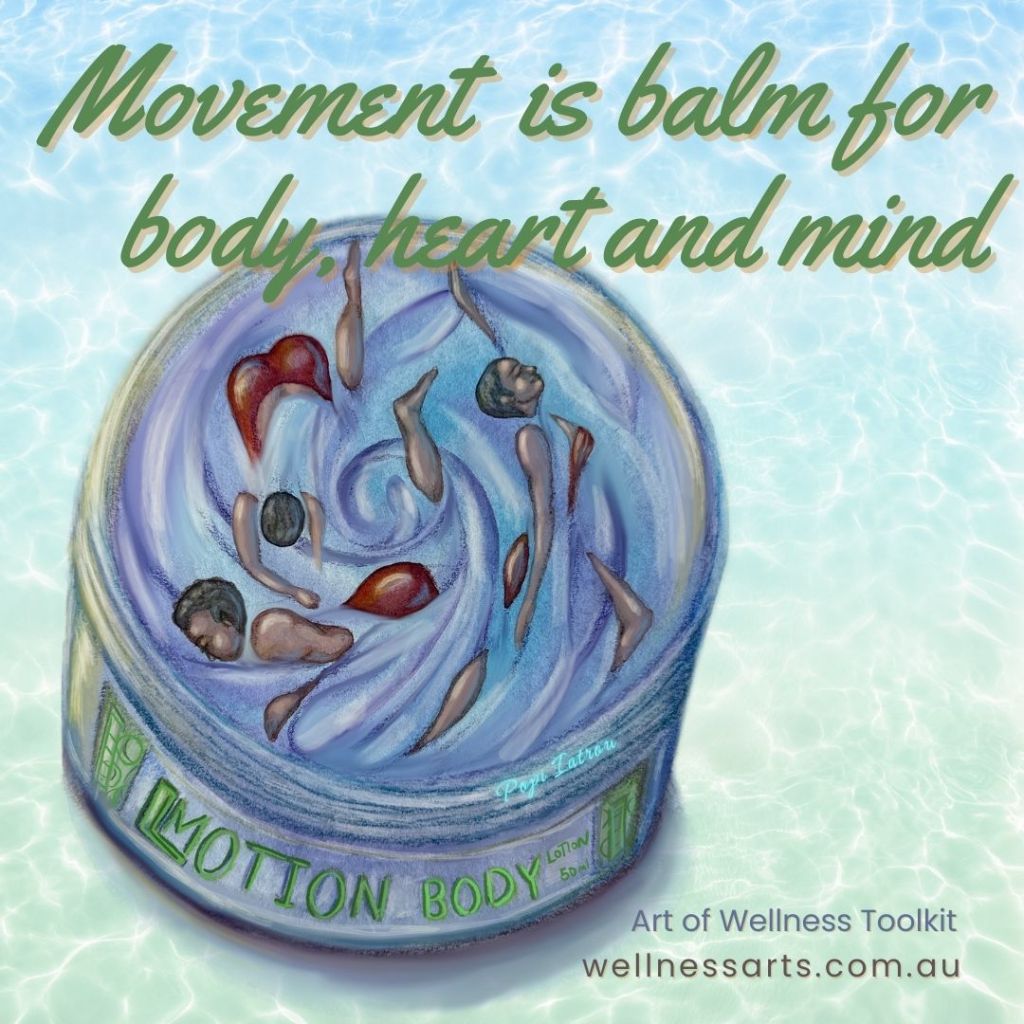
As a holistic psychologist, I have seen time and again how movement can transform not only the body but also
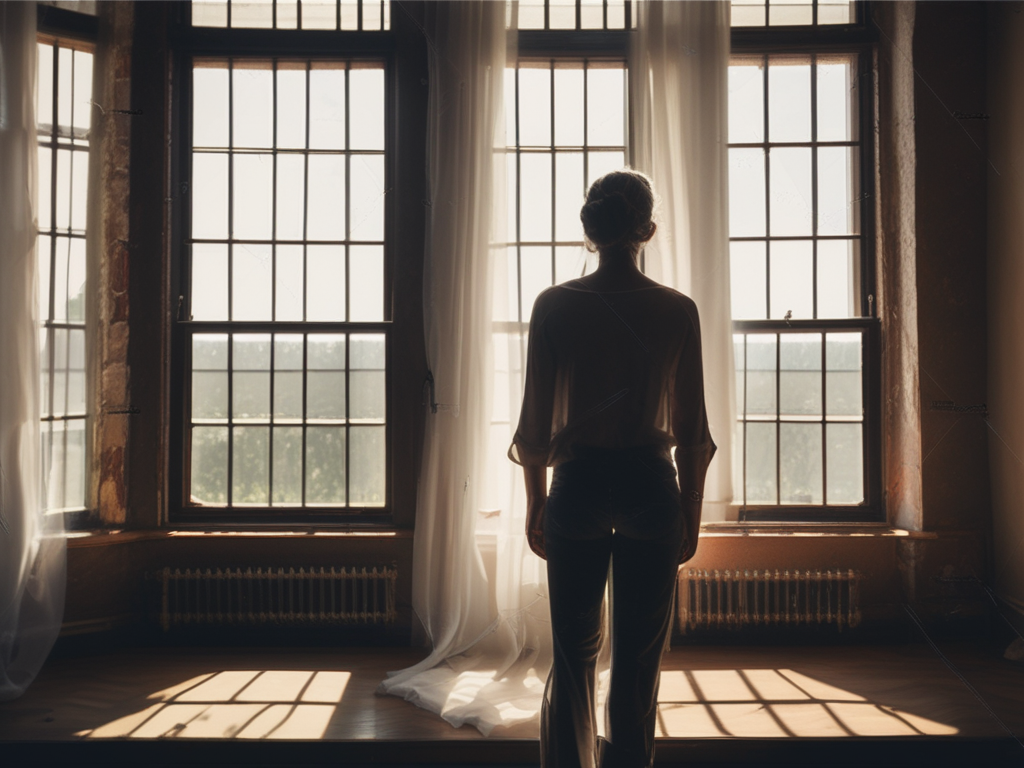
As a holistic psychologist, I often guide clients through the intricacies of the “Window of Tolerance”—a concept that illuminates our capacity to navigate life’s ups and downs without becoming overwhelmed or shut down. This window represents the optimal zone of arousal where we can engage with the world in a balanced and resilient way. When within this window, we are able to think clearly, respond thoughtfully, and process emotions effectively. But when stress, trauma, or challenging life events push us outside this window, we may find ourselves in states of hyperarousal (anxiety, panic, irritability) or hypoarousal (numbness, disconnection, depression).

Anxiety is a common, yet deeply personal experience that can manifest in various forms—from a slight unease to a debilitating sense of dread. As a holistic psychologist, I believe that addressing anxiety requires an approach that honours the complexity of our minds, bodies, and spirits. Two powerful strategies that can be employed in this process are the top-down and bottom-up approaches. Understanding how these approaches work, and when to use them, can be instrumental in effectively managing anxiety.

This guide explores the science behind our body’s master clock, the benefits of maintaining a healthy sleep-wake cycle, and practical steps to enhance your circadian rhythm for a healthier, more balanced life.
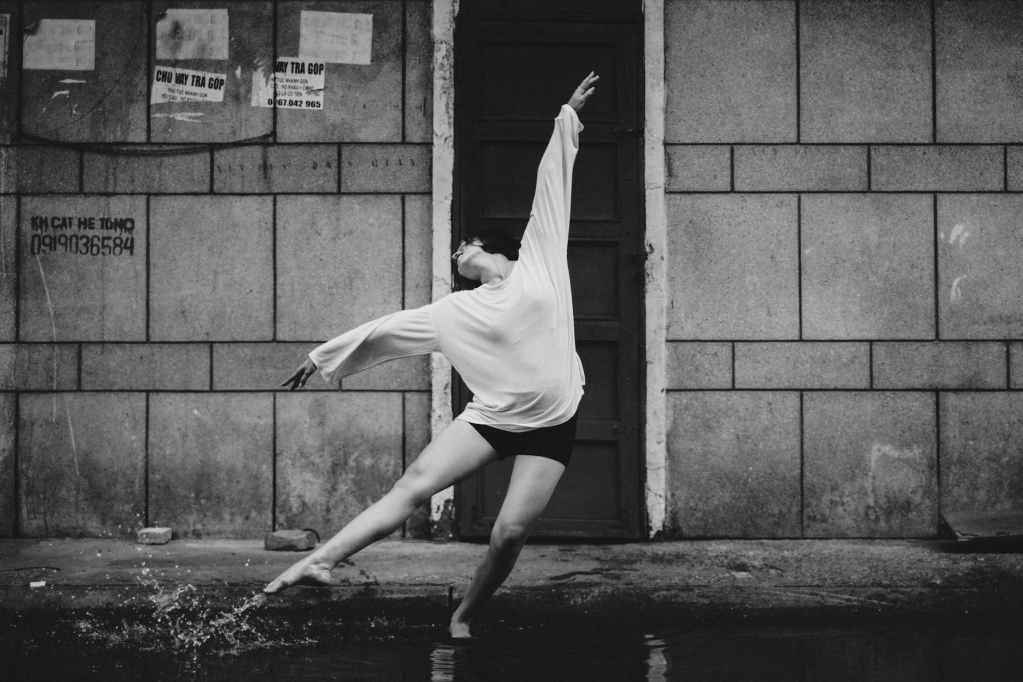
Dance is a universal language that weaves through life stages, impacting physical health, mental well-being, and cognitive development. It influences early development, offers therapeutic benefits, and affects brain plasticity and memory. Dance also protects mental acuity, enhances emotional well-being, and contributes to inhibition and personal development. This transformative power invites us to celebrate life’s profound choreography.
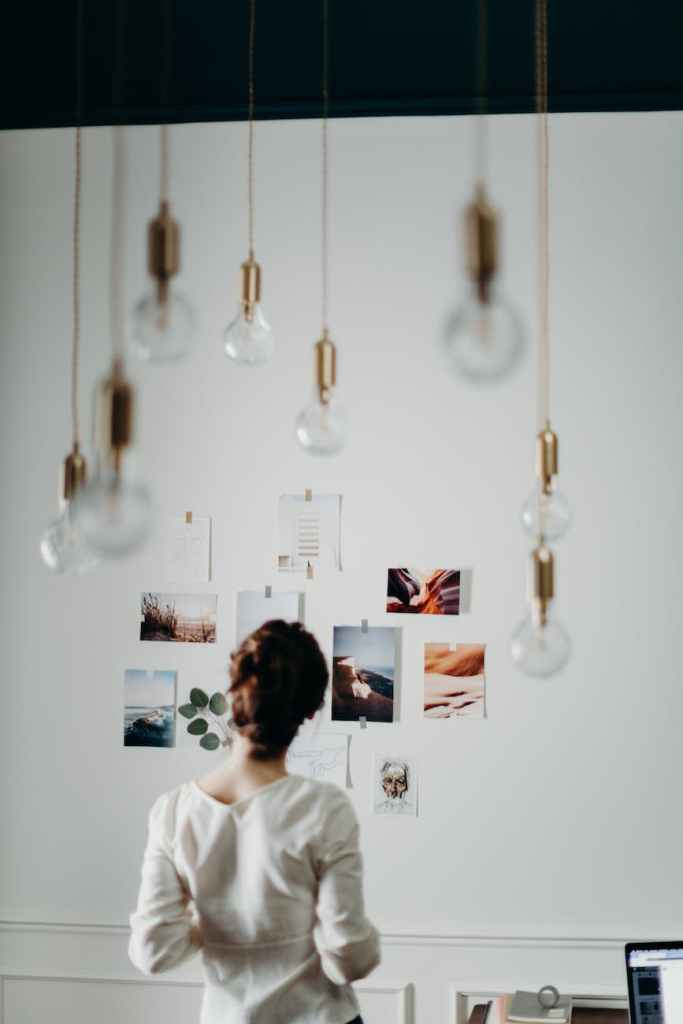
Walt Disney was an exemplary visionary whose joyful efforts to create a world of wonder will leave a legacy of inspiration for us all. He was a dreamer who knew how to have his head in the clouds and two feet firmly on the Earth. Walt’s secret to materialising his dreams was not lost a daydreamer like me. That is a superpower that I want to develop throughout my time here in this life.

The subconscious mind is like the ocean and a single wave is like the conscious mind.
The force of the ocean is behind every single wave and can be likened to the subconscious drive behind most of our daily actions, thoughts and emotions. At the most basic level we are driven either by love or fear. Noticing what is behind your conscious mind is powerful.
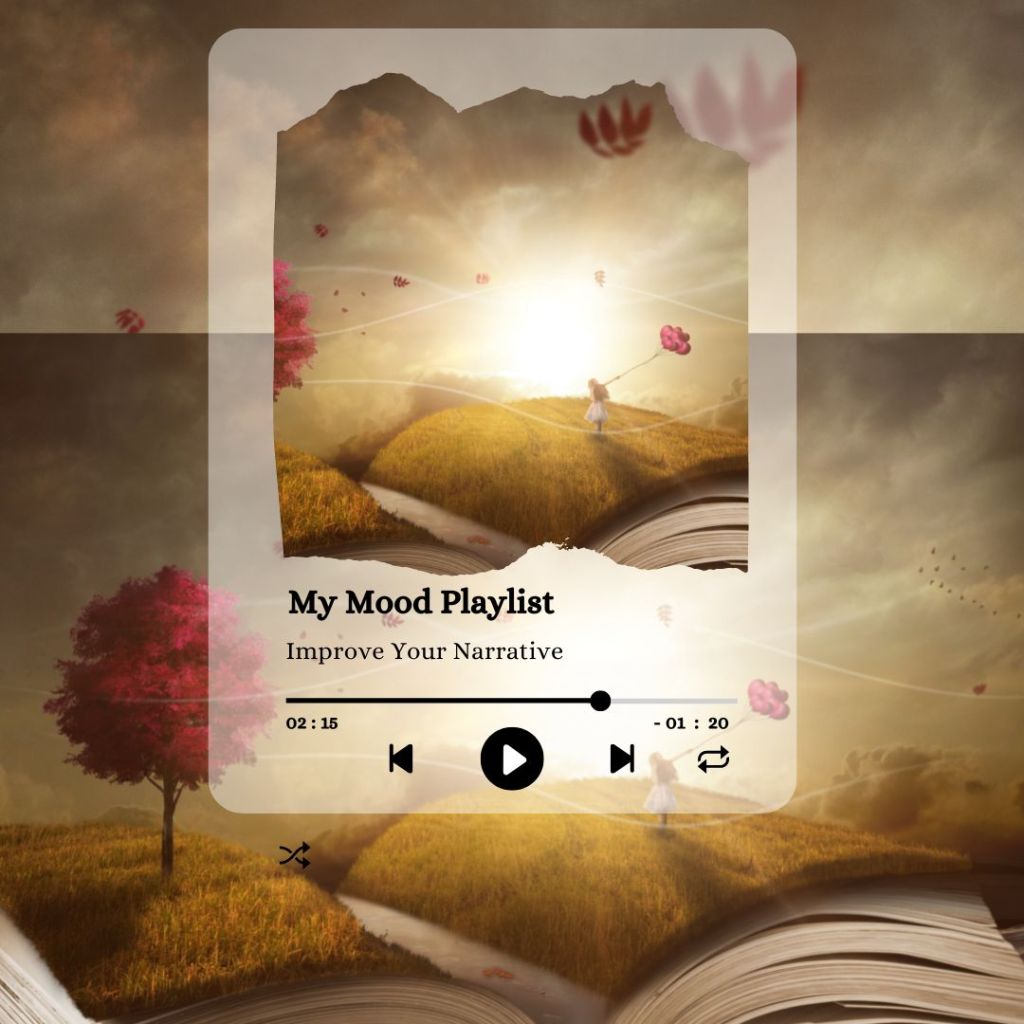
A narrative is simply a story. We tell ourselves many stories each and every moment about ourselves, about the past, other people, objects, places and everything else in our consciousness. These stories provide us with meaning about all of these “things”. That help us to make sense of this otherwise chaotic world. In a world that bombards us with a flood of sensory input, we need to be able to organise and put this into neat packages to conserve brain power.