

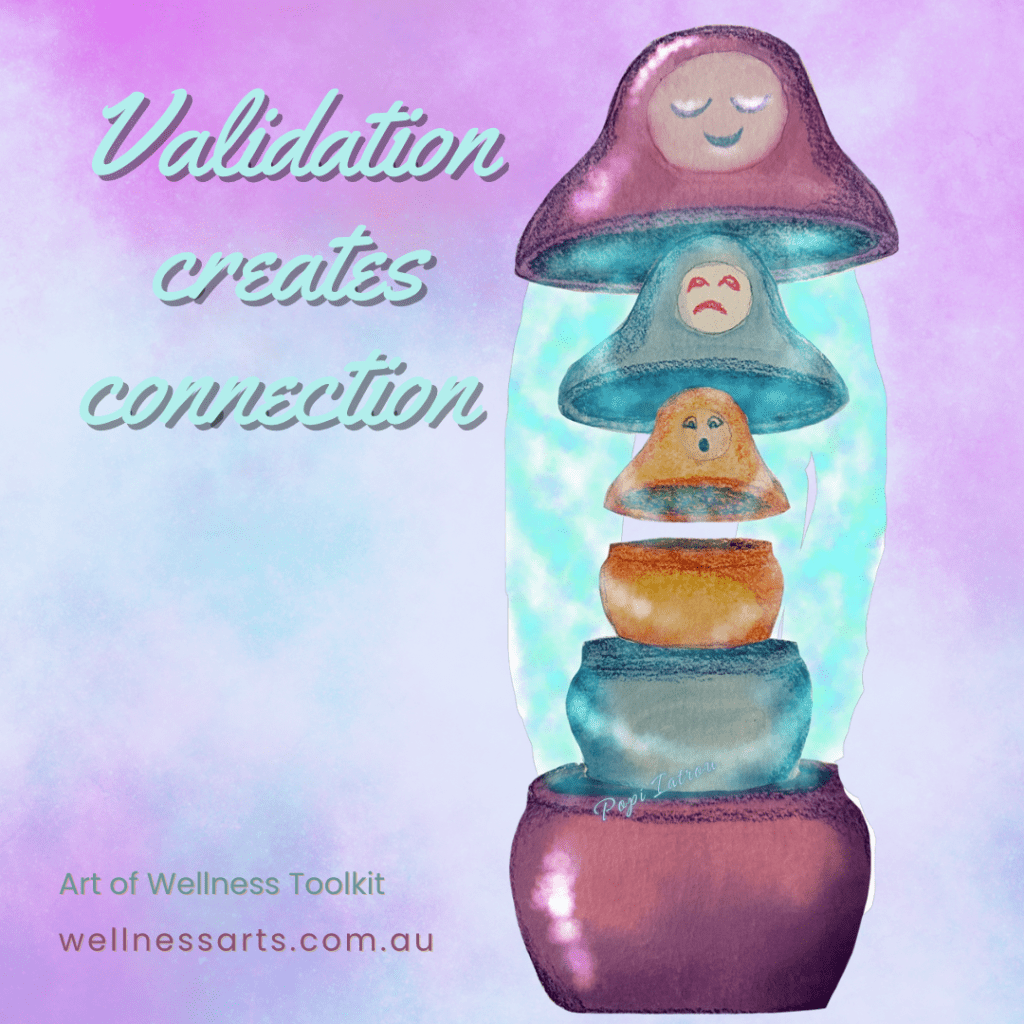
Tool #15 from The Art of Wellness Toolkit
For years, I’ve been described as calm.
Clients say it. Friends say it. Even family members say it. I have a steady presence. I don’t react dramatically. I tend to look regulated.
And for a long time, I believed that meant I was fine. But my body had a different opinion.
I have had chronic back pain for more than ten years. It sits mostly along the right side of my body. I have tried physiotherapy, massage, acupuncture, strengthening, stretching, Pilates, posture correction, ergonomic chairs, different mattresses. You name it.
The pain would improve, then return. It lingered like something unresolved. Recently, one of my clients who struggles with chronic pain mentioned a book by Dr John Sarno on mind–body pain. I was curious. I read it, and something clicked.
The Body Does Not Lie
As psychologists, we know this intellectually. Bessel van der Kolk’s book The Body Keeps the Score has made that idea widely understood: unprocessed emotional material does not simply disappear. It is stored. It is expressed. It shows up somewhere.
What I realised, quite humbly, is that I do not consciously register negative emotions very easily.
I tend to think I’m fine.
I tend to think I’m happy.
I tend to believe I’ve handled something.
But “not reacting” is not the same as processing.
There were emotions I was minimising. Dismissing. Moving past efficiently. Small frustrations. Disappointments. Moments of resentment. Micro-grief. Nothing dramatic. Just human responses.
Instead of validating them, I overrode them. And my body carried them.

Validation Is Not Indulgence
Tool #15 in the Art of Wellness Toolkit is called Validation is Energy Conservation.
When we invalidate our own emotional experience — even subtly — we create internal tension.
“This shouldn’t bother me.”
“I’m overreacting.”
“It’s not a big deal.”
“I should just move on.”
Every time we argue with reality, we activate our nervous system. Validation is different.
Validation says:
“It makes sense that I feel this.”
“This is a human response.”
“There’s information here.”
Validation does not mean agreement. It does not mean acting out. It does not mean blaming others. It simply means acknowledging what is present. And that acknowledgment is regulating.
Pain as Delayed Emotion
Since reading Dr Sarno’s work and deliberately practising emotional validation and expression, something remarkable has happened. My back pain has significantly reduced. Not because I stretched more. Not because I changed chairs again. But because I started noticing and naming emotions before they had to escalate into physical tension.
I began checking in throughout the day:
What am I feeling right now?
Is there irritation here?
Is there disappointment?
Is there something I’m brushing aside?
When I validate those emotions in real time — and allow them to move through — my body softens.
It turns out suppressing emotion is energetically expensive.
Validation is efficient.

The Cost of Suppression
For those of us who are described as calm, steady, resilient, capable — there can be an unintended consequence. We become good at overriding ourselves. We become efficient at minimising discomfort. We become experts at functioning.
But the body keeps the ledger. Unacknowledged emotion does not disappear. It waits.
It may show up as tension.
As headaches.
As digestive issues.
As fatigue.
As chronic pain.
The body does not lie.
A Practical Shift
Validation is one of the most energy-conserving practices you can adopt. Instead of waiting until emotion turns into illness or burnout, try this during the day:
Pause and ask:
What am I feeling right now?
Then follow with:
Does it make sense that I feel this?
The answer is almost always yes.
When you validate a feeling, you allow it to move. When you fight it, you store it. Facing your feelings will not kill you. Chronic suppression might.
Why This Matters
Validation is not indulgent. It is mature. It is a real-time way of listening to the small messengers we call emotions.
It reduces internal friction.
It calms the nervous system.
It prevents accumulation.
It is efficient psychological hygiene. And sometimes, it reduces ten years of back pain.
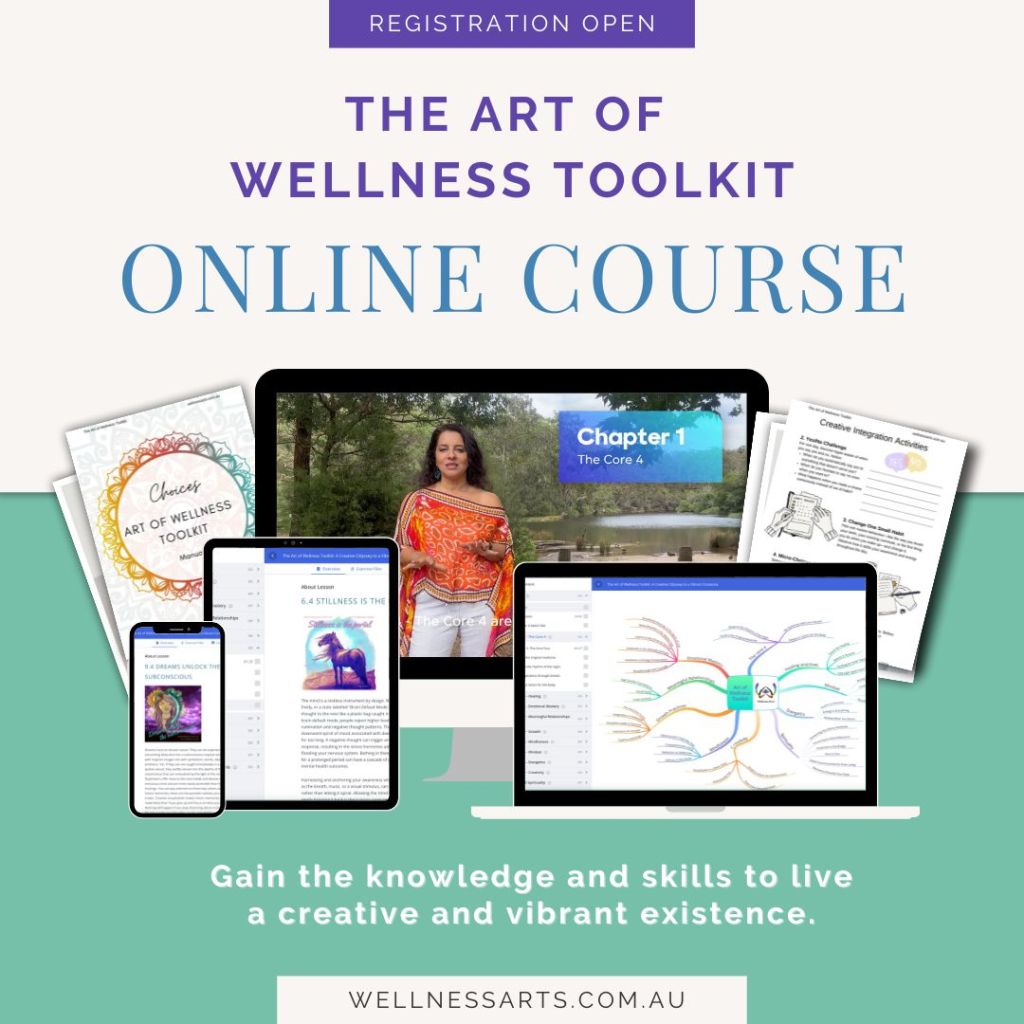
This is exactly why Validation is Energy Conservation is one of the core tools inside The Art of Wellness Toolkit. The course walks you through structured practices that help you recognise emotions earlier, validate them properly, and express them safely — before they accumulate in the body.
If you’ve resonated with this piece, you may find the Toolkit supportive. It brings together 44 psychological and embodied tools designed to help you regulate, reflect, and live more deliberately.
In alignment with everything I’ve been writing about lately — listening to instinct, practising gratitude, simplifying — I’ve shifted how the Toolkit is offered.
It is now available as a pay-what-you-feel-is-right model, starting from as little as $10.
Because access to psychological tools shouldn’t depend on perfect timing or financial ease. If the work feels valuable to you, you choose what it’s worth.
You can explore it here:
Click here to access the Art of Wellness Toolkit Online Course
Validation costs very little. Suppressing yourself is expensive.
Warmly,
Popi Iatrou
Wellness Arts

Leave a Reply