
What alcohol does to your brain’s reward system.
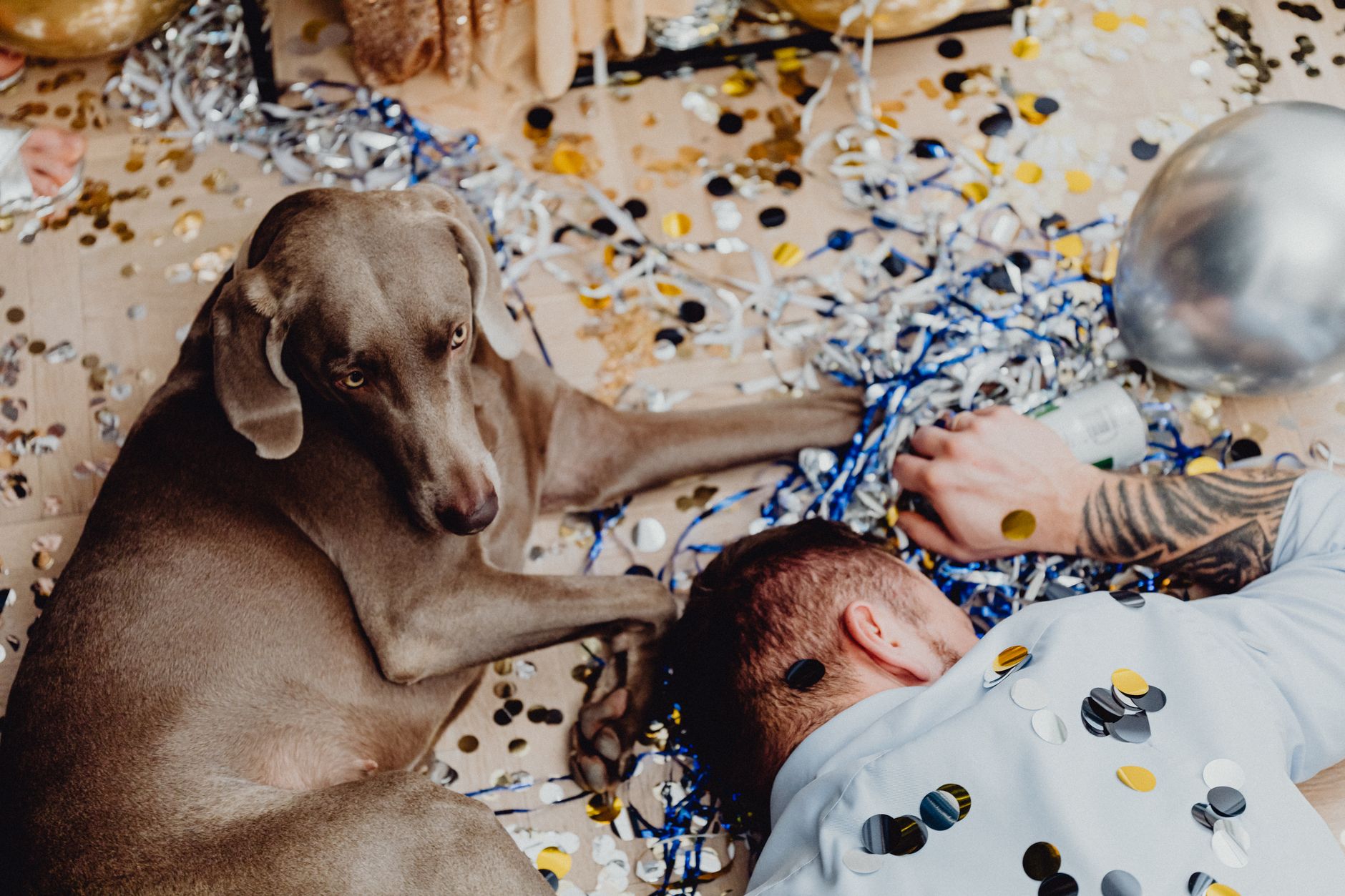
I’m at a party with friends. After my second glass of wine, Karen’s story about her neighbour’s Labradoodle suddenly becomes the funniest thing I’ve ever heard. The music sounds incredible. I’m convinced I should restart my dance career, and when someone suggests karaoke, instead of running for the nearest exit, I find myself thinking, “Absolutely. I was born for this moment.”
Fast forward twelve hours. Karen’s story wasn’t actually that funny. My drunken dance moves have been immortalised on someone’s Instagram story, and karaoke… well, let’s just agree that it seemed like a good idea at the time.
So what happened? Did alcohol genuinely make the evening more enjoyable, or did it simply convince my brain that everything was amazing?
As a psychologist, I find this fascinating because alcohol is a bit like that friend who enthusiastically encourages terrible decisions with complete confidence. The one that says, “Go on, buy the inflatable flamingo. You’ll definitely use it.” Somehow, in the moment, it all sounds perfectly reasonable.
The truth is that alcohol doesn’t create happiness. It temporarily changes your brain chemistry in ways that make ordinary experiences feel more rewarding while lowering the volume on anxiety, self-consciousness and inhibition. Understanding what is happening behind the scenes is fascinating because it helps explain not only why alcohol feels so good in the moment, but also why the next day can feel surprisingly flat.
Alcohol doesn’t politely ask your brain to have a good time. It barges into your reward system, throws open the doors and announces, “Tonight, everyone gets dopamine!” Dopamine is often called the pleasure chemical, but that’s only part of the story. I like to think of it as your brain’s hype person. Its job is to point at something and say, “This is important. Remember this. Do it again.”

Normally, dopamine is released when we’ve done something genuinely rewarding, such as finishing a project, spending time with someone we love, creating a beautiful painting, learning a new skill or finally remembering where we left the car keys. Alcohol skips all of that. It presses the celebration button whether you’ve earned it or not.
As if that weren’t enough, alcohol also stimulates the release of endorphins, the body’s natural opioids. These are the same feel-good chemicals responsible for the runner’s high, except this version requires considerably less Lycra. It even gives serotonin a temporary boost, creating feelings of warmth, ease and sociability. Together, these chemicals make everything feel just a little more enjoyable. The jokes seem funnier, the food tastes better, the music sounds richer and suddenly nobody minds when ABBA comes on.
At the same time, alcohol performs another clever trick. It lowers the volume on your inner critic. That little voice that normally says, “Don’t dance. People are watching,” or “Maybe don’t tell your boss exactly what you think,” suddenly decides to take the evening off. Alcohol increases the activity of GABA, one of the brain’s calming neurotransmitter systems, while reducing glutamate, which quietens the racing thoughts that keep us second-guessing ourselves. It also slows the prefrontal cortex, the part of the brain responsible for judgement, planning and impulse control. In other words, the sensible adult in your brain temporarily clocks off duty.
For a few hours, life feels easier. You worry less. You laugh more. You stop analysing every conversation. If you’ve ever thought, “I wish I could be this relaxed all the time,” you’re certainly not alone.

Unfortunately, our brains are remarkably clever. They like balance. While alcohol is throwing neurotransmitters around like confetti, your brain is already planning tomorrow’s budget cuts. It recognises that there’s far too much dopamine and too many endorphins floating around, so it reduces its own natural production to compensate.
Then the alcohol wears off. The chemical party ends.
Your brain is left trying to restore equilibrium, but now you’re running on less dopamine than you had before the first drink. That’s why the next day can feel flat, uninspiring and strangely joyless. Music isn’t as enjoyable. Motivation disappears. Small tasks feel bigger than they should. Some people even notice increased anxiety or a sense of emotional heaviness.
Alcohol didn’t create extra happiness. It simply borrowed some of tomorrow’s.
The Good News
Here’s the part I find most hopeful. The same brain that responds so dramatically to alcohol is capable of producing these chemicals naturally.
A deep belly laugh with a close friend. Finishing a painting and stepping back to admire it. Swimming in the ocean. Listening to music that gives you goosebumps. Dancing without caring who’s watching. Learning something new. Watching your child, grandchild or dog do something unexpectedly hilarious. Losing yourself so completely in an activity that you forget to check your phone.
These experiences activate many of the same reward pathways, but there’s one important difference. Instead of leaving you depleted, they strengthen your brain’s capacity to experience genuine wellbeing. They don’t just create a fleeting high; they build resilience, connection and vitality over time.
Psychologists call one of these experiences flow—that wonderful state where you’re so absorbed in what you’re doing that time seems to disappear. Artists experience it while painting. Gardeners find it tending their plants. Musicians lose themselves in it. Surfers, hikers, knitters, cooks and dancers all know the feeling.
Flow doesn’t numb us. It awakens us and invites us to become fully present. Perhaps that’s why it leaves us feeling energised rather than emotionally overdrawn.
Read more about Flow State in this blog post.
The Real Conversation
For me, this isn’t really a conversation about alcohol. It’s a conversation about being human. Every one of us longs for the same things. We want to feel connected, accepted, relaxed, joyful, playful, confident and fully alive. Alcohol has become woven into cultures all over the world because, for a few hours at least, it seems to offer many of those experiences. It lowers our defences, softens our worries and allows us to feel like a freer version of ourselves.
But what if alcohol isn’t actually creating those qualities? What if it’s simply lowering the barriers that usually stop us from expressing them?
As a psychologist, that’s the question I find far more interesting. If alcohol makes you laugh more easily, perhaps laughter isn’t missing from your life. If it gives you the confidence to dance, perhaps your playful spirit has been there all along. If it helps you tell someone you love them, maybe the love was never absent; perhaps fear, self-consciousness or old conditioning simply made it harder to express.
I often wonder whether the qualities we admire in our “drinking self” are actually glimpses of our authentic self—the version of us that emerges when fear or the inner critic loosens its grip. If that’s true, then the goal isn’t to rely on alcohol to access those parts of ourselves. The real invitation is to become curious about how we can cultivate them naturally.
For some people, that might be through creativity. For others, it may be dancing, singing, surfing, gardening, hiking, meditation or spending an afternoon with people who make them laugh until their stomach hurts. We each have our own pathways into joy, connection and flow. The common thread is that these experiences nourish our brains rather than depleting them. They don’t leave us emotionally overdrawn the next morning; instead, they strengthen the very neural pathways that help us experience genuine wellbeing.
So perhaps the question isn’t whether alcohol is good or bad. Perhaps the more meaningful question is this: What are you really searching for when you pour that first drink?
Is it permission to relax, to play, to connect, to love, to be yourself? Whatever it is for you, maybe alcohol isn’t the answer. Maybe it’s simply pointing towards a need that deserves your attention.
The wonderful thing about the human brain is that it can change. Through repetition, experience and intention, we can strengthen the neural pathways associated with joy, connection, creativity and resilience. We can learn to access those states more often without relying on something outside ourselves to manufacture them.
That doesn’t happen overnight, but it is possible. I’ve seen it happen in my clients over the past three decades, and I’ve experienced it in my own life. It’s one of the reasons I’m so passionate about helping people understand their minds rather than judge them. When we understand what’s happening beneath the surface, we become less critical of ourselves and more curious. And curiosity is often where lasting change begins.
So the next time you find yourself reaching for a drink, perhaps pause for just a moment and ask yourself, “What am I hoping this drink will give me?” The answer might have very little to do with alcohol and everything to do with the life you’re longing to create.
Because alcohol doesn’t create joy. It simply borrows it from tomorrow.
I’d love to hear from you.
If alcohol could speak, what promise does it make to you?
Perhaps it says, “I’ll help you relax.” Or “You’ll feel more confident.” Maybe it’s “You’ll fit in,” or “You’ll finally stop overthinking.”
Now ask yourself this: How else might you begin cultivating that feeling in your everyday life?
Share your reflections in the comments below. Sometimes one person’s insight becomes exactly what someone else needed to hear.
Hypnosis Through a Holistic Psychology Lens: More Than Just “Relaxation”
Hypnosis is not about losing control or switching off your conscious mind. From a holistic psychology perspective, it is a way of working with attention, imagination, the nervous system and the body to help create new responses to familiar patterns. Whether the issue is anxiety, sleep, pain, trauma responses, intrusive thoughts or creative blocks, hypnosis…


The Psychology of Integration: How Different Parts of Our Lives Become Whole
What if personal growth isn’t about becoming someone new but bringing together the many parts of who you already are? Explore Dan Siegel’s concept of integration, emotional wellbeing, self-awareness, and how life’s experiences shape us into a coherent whole.
Rediscovering the Power of Play for Creativity
After completing one of the biggest creative projects of my life, I found myself unexpectedly drawn away from finished artworks and towards watercolours, collage, and playful experimentation. What began as a simple desire to create without purpose led me to a powerful realisation: play is not a distraction from growth—it is one of the pathways…
Discover more from Wellness
Subscribe to get the latest posts sent to your email.
Leave a Comment